

What is the strength of a pool anchor made of stainless steel?
As a supplier of pool anchors, I've had the privilege of witnessing firsthand the critical role these seemingly simple devices play in ensuring the safety and stability of various pool - related structures. Among the different materials used for pool anchors, stainless steel stands out for its exceptional strength and durability. In this blog, I'll delve into the factors that contribute to the strength of stainless - steel pool anchors and explore why they are a top choice for many pool owners and professionals.
Composition and Properties of Stainless Steel
Stainless steel is an alloy primarily composed of iron, with a minimum of 10.5% chromium. The addition of chromium forms a thin, invisible layer of chromium oxide on the surface of the steel. This passive layer acts as a protective barrier, preventing oxygen and moisture from reaching the underlying metal and thus inhibiting corrosion. Other elements such as nickel, molybdenum, and manganese are also often added to enhance specific properties.
The strength of stainless steel is derived from its unique crystal structure and the interaction between its alloying elements. The austenitic, ferritic, and martensitic structures of stainless steel each have distinct mechanical properties. Austenitic stainless steels, for example, are known for their high ductility and excellent corrosion resistance, making them suitable for applications where the anchor may be subject to bending or stretching forces. Ferritic stainless steels, on the other hand, offer good strength and are more resistant to stress - corrosion cracking.
Strength in Different Load Conditions
When it comes to pool anchors, they are designed to withstand various types of loads. One of the most common load types is the static load. Static loads occur when the anchor is holding a stationary object in place, such as a pool cover or a floating platform. Stainless - steel pool anchors can handle significant static loads due to their high tensile strength. Tensile strength refers to the maximum amount of tensile (pulling) stress that a material can withstand before breaking. High - quality stainless - steel pool anchors can have tensile strengths ranging from 500 MPa to over 1000 MPa, depending on the specific grade of stainless steel used.
Dynamic loads are another consideration. Dynamic loads are caused by moving or changing forces, such as wind, waves, or the movement of swimmers. These loads can subject the anchor to sudden shocks and vibrations. Stainless steel's ability to absorb and dissipate energy makes it well - suited for withstanding dynamic loads. Its toughness, which is the ability to absorb energy and deform plastically before fracturing, ensures that the anchor can endure the impact of these changing forces without failing.
Corrosion Resistance and Long - Term Strength
In a pool environment, corrosion is a major concern. Chlorine, salt, and other chemicals in the pool water can accelerate the corrosion process of many metals. However, stainless steel's corrosion - resistant properties help maintain its strength over time. Even when exposed to the harsh chemical environment of a pool, the passive chromium oxide layer on the surface of the stainless - steel anchor continues to protect it from rust and degradation.
This long - term corrosion resistance is crucial for maintaining the anchor's strength. A corroded anchor may experience a reduction in cross - sectional area, which can lead to a significant decrease in its load - bearing capacity. By choosing a stainless - steel pool anchor, pool owners can be confident that the anchor will retain its strength and integrity for many years, providing reliable support for their pool structures.
Design and Installation Impact on Strength
The design of the pool anchor also plays a vital role in its strength. Well - designed anchors are engineered to distribute the load evenly across the anchor and into the surrounding structure. For example, some pool anchors have a wide base or multiple flukes that increase the surface area in contact with the pool deck or the ground. This helps to prevent the anchor from pulling out under load.
Proper installation is equally important. An anchor that is not installed correctly may not be able to发挥 its full strength potential. It is essential to follow the manufacturer's installation instructions carefully, including using the correct tools and techniques. For instance, when installing a stainless - steel pool anchor into a concrete pool deck, the hole must be drilled to the correct depth and diameter, and the anchor must be securely fastened using the appropriate fasteners.
Types of Stainless - Steel Pool Anchors and Their Strengths
There are several types of stainless - steel pool anchors available in the market, each with its own unique strength characteristics.
The N Type HHP Pool Anchor is designed for high - holding power applications. Its innovative design allows it to dig deep into the ground or the pool deck, providing excellent resistance against pulling forces. The high - quality stainless steel used in its construction ensures that it can withstand heavy loads and harsh environmental conditions.
The N Type Pool Anchor is a more standard option that offers reliable strength for general pool applications. It is suitable for holding pool covers, small floating objects, and other light - to medium - duty tasks. The stainless - steel construction of the N Type Pool Anchor provides good corrosion resistance and sufficient strength for most pool owners' needs.

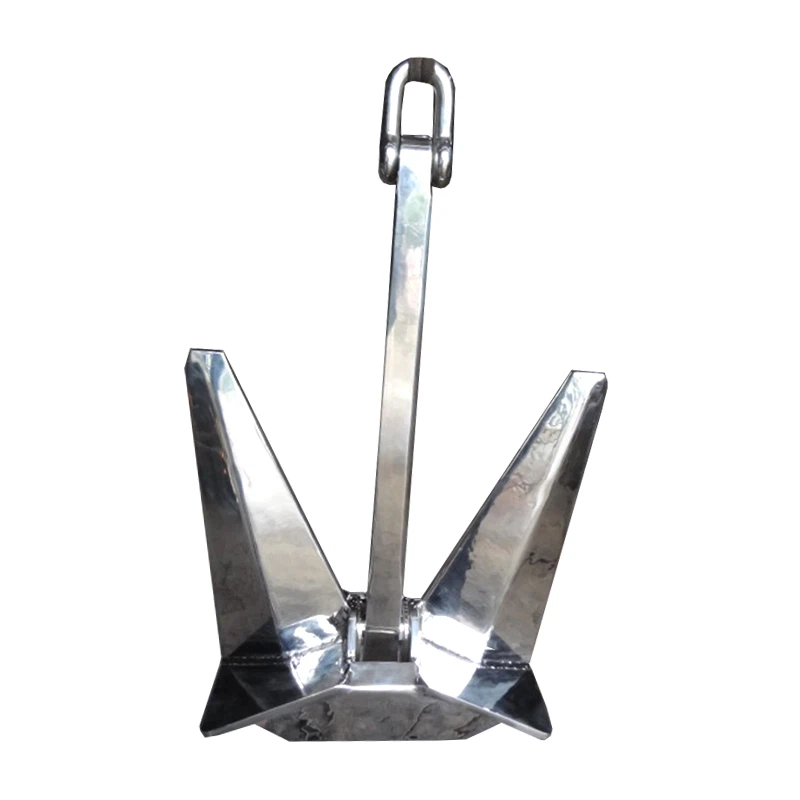
The High Holding Power Pool Anchor is engineered to provide maximum holding strength. It is often used in commercial pools or in situations where a high level of security is required. The advanced design and high - grade stainless steel used in this anchor make it capable of withstanding extreme loads and ensuring the safety of the pool structure.
Conclusion and Call to Action
In conclusion, the strength of a stainless - steel pool anchor is a result of its composition, mechanical properties, corrosion resistance, design, and installation. Stainless steel's high tensile strength, toughness, and ability to resist corrosion make it an ideal material for pool anchors. Whether you are a pool owner looking for a reliable anchor for your pool cover or a commercial pool operator in need of high - holding - power anchors, stainless - steel pool anchors offer the strength and durability you need.
If you are interested in learning more about our stainless - steel pool anchors or would like to discuss your specific requirements, please feel free to reach out. Our team of experts is ready to assist you in selecting the right anchor for your pool and providing you with all the information you need for a successful purchase.
References
- "Stainless Steel: A Technical Guide" by ASM International.
- "Mechanical Properties of Engineering Materials" by John F. Shackelford.
- Industry standards and guidelines for pool anchor design and installation.


