


Floating Pontoon





Your Professional Floating Pontoon Supplier
Chongqing New Maritime Import & Export Co., Ltd. was established in 2018 and specializes as a professional manufacturer of ship parts. Our product range includes various marine outfitting equipment, life-saving products, propulsion systems, anchors and anchor chains, cables and wire ropes, floating dock systems, fenders, mooring equipment, and other related marine supplies.
Rich Experience
With over 24 years of extensive experience in both production and trade, the company has developed deep expertise in the marine industry.
Fast Delivery
The company operates three advanced production lines capable of handling large-scale orders while ensuring timely delivery.
Quality Control
The company is equipped with state-of-the-art testing facilities and adheres to a rigorous quality control system to ensure the highest standards of product quality.
Sales Market
Our products have gained widespread recognition globally and are currently exported to numerous countries, including Canada, the USA, Korea, Germany, India, Dubai, and many others.
Parameters
|
Float I.D. |
Float O.D.(mm) |
Float |
Thickness |
Floater |
|
110 |
500 |
500 |
7 |
98 |
|
125 |
500 |
800 |
7 |
150 |
|
160 |
500 |
800 |
7 |
145 |
|
220 |
600 |
700 |
7 |
180 |
|
250 |
600 |
700 |
7 |
175 |
|
280 |
700 |
900 |
7 |
340 |
|
310 |
900 |
1000 |
8 |
550 |
|
320 |
1000 |
1000 |
9 |
650 |
|
350 |
950 |
1000 |
9 |
600 |
|
390 |
1000 |
1000 |
9 |
600 |
|
400 |
1100 |
1100 |
9 |
900 |
|
450 |
1200 |
1200 |
11 |
1100 |
|
460 |
1300 |
1300 |
12 |
1400 |
|
495 |
1300 |
1300 |
12 |
1400 |
|
520 |
1300 |
1450 |
12 |
1500 |
|
550 |
1300 |
1500 |
12 |
1750 |
|
560 |
1400 |
1500 |
12 |
1900 |
|
600 |
1400 |
1600 |
13 |
2100 |
|
620 |
1450 |
1700 |
13 |
2400 |
|
670 |
1500 |
1860 |
14 |
2800 |
|
720 |
1500 |
1860 |
14 |
2800 |
|
735 |
1500 |
1800 |
14 |
2700 |
|
760 |
1800 |
2050 |
15 |
3100 |
|
800 |
1800 |
2160 |
15 |
3300 |
|
890 |
2000 |
2400 |
15 |
4600 |
|
940 |
2040 |
2500 |
16 |
4900 |
|
1040 |
2400 |
2600 |
16 |
7000 |
|
1140 |
2300 |
2550 |
16 |
7000 |
Types of Floating Pontoon
The floating pontoons produced by our company mainly include the following types:
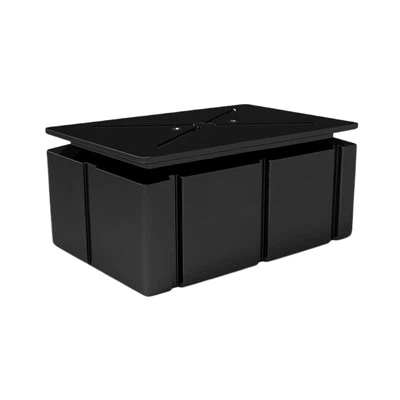
HDPE Pontoon
HDPE modular pontoon can withstand harsh marine environments, including strong winds, waves and seawater erosion. By connecting multiple pontoons together, a stable and safe sea walkway can be formed. It provides a convenient passageway for people to walk on the sea, enabling them to use marine amusement facilities and dock boat.
PE Pontoon
Our PE plastic pontoon with foam filling is top - notch. Crafted by rotational molding, it combines an imported PE shell and EPS foam for great buoyancy. With a lifespan of over 10 years, it works well from -40°C to 60°C. Its corrosion - resistant and anti - UV features ensure long - term outdoor use.
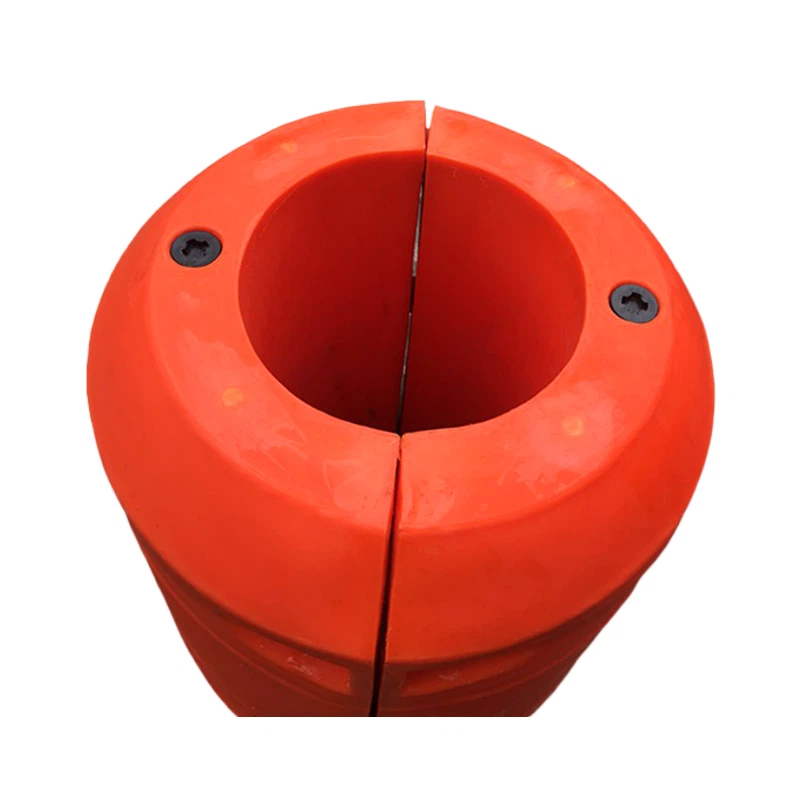
Pipe Floater
The shell of pipeline foam filled floater is made from excellent flexibility of medium density polyethylene material(HDPE), inside of shell is filled with high strength closed-cell polyurethane foam. With reasonable structure and good performance, the HDPE floater becomes the ideal substitution of the traditional steel floater for the floating dredging pipes.

Advantages of Floating Pontoon
Simple to Maintain
The majority of floating pontoons are constructed from low-maintenance materials like polyethylene. Install your floating dock and begin using it immediately because this material doesn’t require painting or staining. Also, cleaning it is simple and typically only requires soap and water.
Adapts to High and Low Water Conditions
Floating pontoons are less likely to sustain damage during severe weather events like hurricanes because of their design. Floating docks provide more storm protection because they are elastic.
Comfortable Expansion
Floating pontoons that are modular can be easily expanded and are frequently supplied in parts. You can design and reconfigure your floating dock anytime to best suit your needs by connecting sections using connectors like building bricks.
Less Expensive to Install
Builders can frequently install floating docks more quickly and economically than fixed docks. Floating docks often have an easier and less expensive installation process because they do not need pilings or substructures for support. You can even buy readymade floating docks for the quickest installation option. We offer many types of floating docks.
Applications of Floating Pontoon
Yacht - Based Water Sports:
Ldeal for owners who want to enjoy jet skiing during their voyages. The float provides a stable platform for launching and docking jet skis.
Marinas and Waterfront Resorts:
Can be used to build floating docks, platforms, or walkways, enhancing the functionality and attractiveness of marinas and resorts.
Recreational Lakes and Ponds:
Suitable for creating floating structures in lakes and ponds for various water - related activities.
Installation Steps of Floating Pontoon
Planning Your floating pontoon Installation
The most important step of your planning for a floating pontoon installation is to assess your waterfront site carefully, taking into account various environmental conditions. To assess your aquatic conditions, the first thing you need to do is to take the water depth measurement at the location where you planned to install the system at both high and low water levels, considering different weather conditions.
Choosing the Right Materials for Your floating pontoon
Selecting the materials for your floating pontoon, go for the high-quality plastic options that give you strength, low maintenance, and the ability to endure the elements. Seek for dock boards made of UV-stabilized polyethylene, which is capable of withstanding long-term exposure to the sun and will not break or fade. Besides that, make sure that the plastic is impact-resistant and can stand the weight of your anticipated activities.
Preparing the Installation Site
The site preparation process is an important step for making sure that your plastic floating pontoon will be steady and durable. First, specify the preferred location for the dock taking into consideration the depth of the water, shoreline access, and the dominant wind and wave directions. A temporary buoy or stake can be used to outline the perimeter of the designed dock layout.
Assembling Your Plastic floating pontoon Sections
When the location is set up, the next step is to put together the floating pontoon sections made of plastic. To start with, arrange all the components like the dock sections, connectors, and hardware together. Assemble the dock sections in the desired arrangement,making sure that they are properly aligned and spaced as per the instruction given by the manufacturer.
Installing the floating pontoon
Once you have your dock sections assembled with the anchoring system installed, it is time to slip the dock onto the water. Spend the last time taking the assembled dock to the installation site, which should be done in such a manner that the dock stays level and stable. If the dock is too large to move in one piece, we recommend using a number of smaller sections and uniting them once they are in the water.
Connecting the floating pontoon to Shore
To guarantee that everyone can approach your floating pontoon in a secure and comfortable manner, a gangway or a ramp should be used to connect it to the shore. Choose a gangway that has been designed for your particular dock height and shoreline conditions.
Precautions for Using Floating Pontoon


Remove potential hazards : A very basic but potentially life-saving step. Remove all things that can cause tripping over the dock in the water. Ropes, tools, equipment etc. must not be found lying idly anywhere on the dock.
No-slip shoes : Docks are places that get wet all the time. Emphasize on your staff (or family members) to wear safe, non-slip shoes & encourage the customers/guests to do the same. It is always good to stock some anti-slip footwear if you own a dock.
Address the risk of fire : Electrical components & fuel points are common around docks. You know how fuel & fire go together, not at all a good combo for anyone at the dock! Always keep an extinguisher at hand.
Ban swimming near dock : Floating pontoon dock is not a beach. It can be very dangerous if a frayed electric wire without proper insulation is dangling in the water and someone unknowingly decides to take the plunge.
Keep an eye on the weather : You can use weather apps to keep a tab on the imminent weather and its possibility to change in few hours. Plan any event on the dock always keeping in mind the weather condition & keeping aware of any weather forecasts.
Proper positioning of docks : Keep the dock close to the shore. Simple. Anchors should be fixed downstream so that when the flooded river comes raging, the dock will pivot close to the shore thereby avoiding the rapid waters.
Staying within the safe distance : There is a limit on maximum distance from the shore within which you can be considered safe. Depending on the depth of the water body, limit of safe maximum distance can be decided to install the floating pontoon dock in such a way that it doesn’t pose obstruction in the way of water traffic.
Proper lighting : The dock should be well lit at night so that everyone is aware about the periphery of the dock and maintain safe distance. It will also serve as a marker to other boats and ships in water so as to maintain safe distance.
Rails : Safety rail all around the floating pontoon dock is a must and should be clearly visible (bright colors) to anyone on the dock.
Always keep few inflatable tubes & a first-aid kit on the dock : You never know what, & when, an emergency will suddenly manifest. You can’t be left searching for that stuff in a crisis.
Order Process
Contact our sales team, telling us product details like what you need, quantities, and specifications. We'll offer an accurate quote.
Once you confirm the quote and order details, we'll send an order contract. Sign it and pay the deposit as per the contract.
After getting the deposit, we start production. We'll keep you updated on progress.
When the products are made and pass inspection, we'll ask you to pay the balance.
After receiving full payment, we'll ship as per your chosen transport mode and provide logistics tracking info.
Packaging and Shipping
|
Packaging |
Cube bulk packing, accessories pp bags packing |
|
Shipping |
We work with professional logistics partners to choose the best shipping option, whether it's by sea, land, or air. For international orders, we handle all the export paperwork. |
Chongqing New Maritime Import&Export Co., Ltd. was established in 2018, which is a professional ship parts manufacturer. New Maritime has won mature production line and and also well experienced foreign trade branch-company with head office located in the developed city of Chongqing.

Our Certifications

FAQ