

Hey there! I'm a supplier of hall anchors, and through my years in this business, I've got a good understanding of the challenges that hall anchor users often face. In this blog, I'll share some of these challenges and also introduce you to the different types of hall anchors we offer.
1. Environmental Challenges
One of the biggest challenges for hall anchors is the diverse and often harsh marine environments. The seabed conditions can vary greatly from one location to another. For example, in some areas, the seabed might be sandy. While hall anchors generally work well in sand, getting them to set properly can still be a challenge. The sand can sometimes be too loose, causing the anchor to drag rather than hold firmly. If the anchor doesn't dig in deep enough, it won't provide sufficient holding power, and vessels can drift, which is a major safety concern.
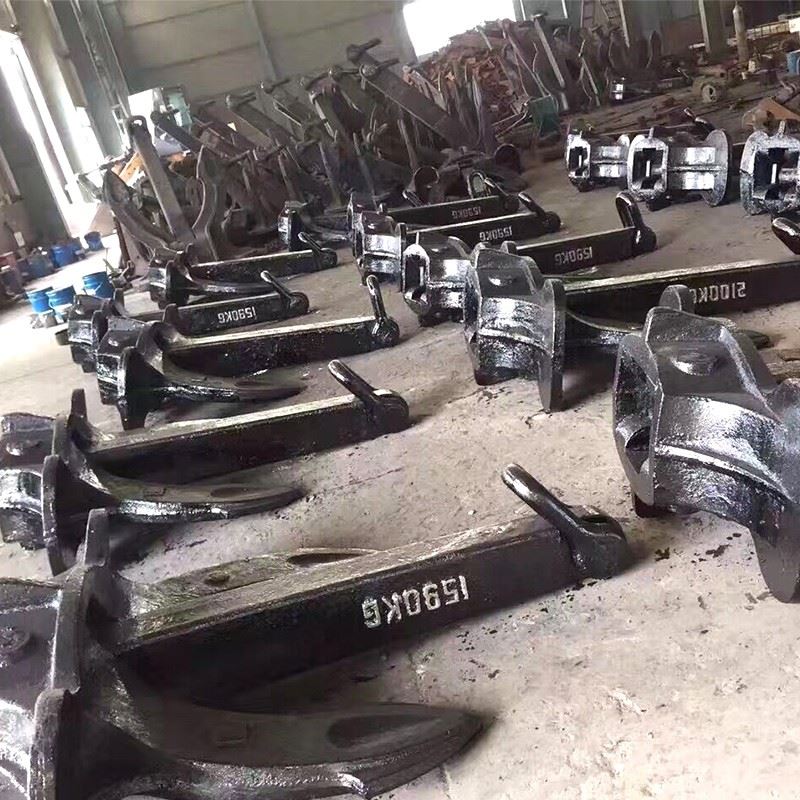

On the other hand, there are rocky seabeds. Rocks can be a real pain for hall anchors. They can damage the flukes of the anchor. If the flukes get chipped or bent, the anchor's ability to grip the seabed is severely compromised. Even if the anchor manages to land between the rocks, it might not be able to set as effectively as it would in a more uniform seabed like sand or mud.
Muddy seabeds also present their own set of issues. Although hall anchors can penetrate mud, thick and sticky mud can make it difficult for the anchor to release when it's time to move on. The anchor can get stuck, and it may require a lot of force to pull it free. This not only wastes time but can also put additional stress on the anchor and the vessel's anchor handling equipment.
2. Vessel - Related Challenges
The size and type of the vessel play a crucial role in how well a hall anchor performs. Smaller vessels might not have the weight or the power to set the anchor properly. For instance, a small fishing boat might not be able to apply enough force to drive the hall anchor deep into the seabed. As a result, the anchor may not hold well, especially in rough weather conditions.
Larger vessels, on the other hand, require much larger and heavier hall anchors to provide adequate holding power. However, handling these large anchors can be a logistical nightmare. The anchor winches need to be powerful enough to lift and lower the heavy anchor, and the storage space on the vessel needs to be sufficient. If the vessel's design doesn't accommodate the anchor properly, it can lead to problems during anchor deployment and retrieval.
Another vessel - related challenge is the speed at which the vessel approaches the anchoring area. If the vessel is moving too fast when dropping the anchor, the anchor might not have a chance to set correctly. It could bounce off the seabed or get dragged along the surface, rather than digging in.
3. Competition from Other Anchor Types
The marine anchor market is highly competitive, and hall anchors face stiff competition from other types of anchors. For example, plow anchors are known for their excellent holding power in a variety of seabed conditions. They can self - set more easily compared to hall anchors in some cases. This makes plow anchors a popular choice for many boat owners, especially those who frequently anchor in different locations.
Danforth anchors are also a strong competitor. They are lightweight and easy to handle, which is a big advantage for smaller vessels. Their wide flukes allow them to dig in quickly and provide good holding power in soft seabeds.
This competition means that hall anchor users and suppliers need to work hard to promote the unique features and benefits of hall anchors. As a supplier, I constantly have to educate my customers about why hall anchors are still a great choice in many situations.
4. Maintenance and Inspection Challenges
Hall anchors need regular maintenance to ensure their optimal performance. The metal parts of the anchor are exposed to saltwater, which is highly corrosive. Over time, rust and corrosion can weaken the anchor, reducing its strength and holding power. Inspecting the anchor for signs of corrosion, cracks, or other damage is crucial, but it can be a time - consuming and difficult task.
The flukes and the shank of the anchor need to be inspected carefully. Any damage to the flukes can affect the anchor's ability to penetrate and grip the seabed. If the shank is bent or cracked, it can lead to failure during anchor deployment or retrieval.
In addition to corrosion, the anchor's components can also wear out over time. The pivot points between the flukes and the shank need to be lubricated regularly to ensure smooth movement. If these components are not maintained properly, the anchor may not function as intended.
Our Hall Anchor Solutions
As a hall anchor supplier, we offer different types of hall anchors to meet the diverse needs of our customers. We have the Type A Hall Anchor, which is designed for specific seabed conditions and vessel sizes. This anchor has been engineered to provide excellent holding power in a variety of situations.
Our Type B Hall Anchor is another popular option. It has some unique features that make it suitable for different marine environments. Whether you're dealing with sandy, muddy, or rocky seabeds, this anchor can offer reliable performance.
We also have the Hall Type Anchor, which is a classic design with proven performance. It has been used by mariners for many years and has a reputation for being a durable and effective anchor.
Conclusion
In conclusion, hall anchors face several challenges, including environmental factors, vessel - related issues, competition from other anchor types, and maintenance requirements. However, with the right knowledge and the right type of hall anchor, these challenges can be overcome.
If you're in the market for a hall anchor, I encourage you to get in touch with us. We can help you choose the right anchor for your vessel and your specific needs. Whether you're a small boat owner or the captain of a large commercial vessel, we have the expertise and the products to meet your requirements. Let's start a conversation and find the perfect hall anchor for you!
References
- "Marine Anchor Handbook" - A comprehensive guide on different types of marine anchors and their performance in various conditions.
- Industry reports on the marine anchor market, which provide insights into the competition faced by hall anchors.


