

As a stern tube supplier, I often get asked about the allowable alignment tolerances for a stern tube. It's a crucial topic because proper alignment is key to the smooth operation and longevity of a vessel's propulsion system. In this blog, I'll break down what these tolerances are, why they matter, and how we, as a supplier, ensure that our stern tubes meet these standards.
What is a Stern Tube?
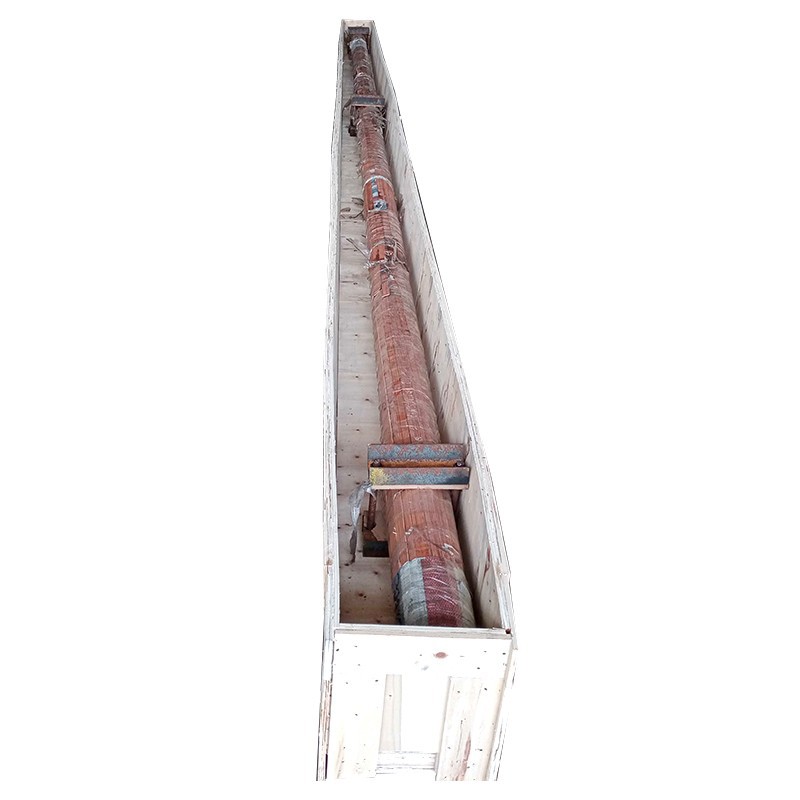
Before diving into alignment tolerances, let's quickly go over what a stern tube is. A stern tube is a critical component in a ship's propulsion system. It houses the propeller shaft and provides a watertight seal between the inside of the ship and the outside water. Stern tubes come in different types, like Stainless Steel Stern Tube, Boat Stern Tube, and Shaft Stern Tube. Each type is designed to suit specific vessel requirements and operating conditions.
Why Alignment Tolerances Matter
Proper alignment of the stern tube is essential for several reasons. First off, it reduces wear and tear on the propeller shaft and bearings. If the stern tube isn't aligned correctly, the shaft can experience uneven stress, leading to premature bearing failure. This can result in costly repairs and downtime for the vessel.
Secondly, correct alignment helps in achieving optimal propulsion efficiency. A misaligned stern tube can cause the propeller to operate at an angle, creating unnecessary drag and reducing the vessel's speed and fuel efficiency. In today's competitive shipping industry, where fuel costs are a significant expense, any improvement in efficiency can lead to substantial savings.
Lastly, proper alignment contributes to the overall safety of the vessel. A misaligned stern tube can cause vibrations, which can damage other components of the propulsion system and even the hull of the ship. These vibrations can also be a source of discomfort for the crew and passengers.
Allowable Alignment Tolerances
So, what are the allowable alignment tolerances for a stern tube? Well, these tolerances can vary depending on several factors, such as the size of the vessel, the type of propulsion system, and the operating conditions. However, there are some general guidelines that are widely accepted in the industry.
Angular Alignment
Angular alignment refers to the angle between the stern tube and the propeller shaft. The allowable angular tolerance is typically very small, usually within a few tenths of a degree. For example, in most cases, the angular misalignment should not exceed 0.1 to 0.2 degrees. This small tolerance ensures that the propeller shaft rotates smoothly within the stern tube, minimizing stress on the bearings.
Parallel Alignment
Parallel alignment is about ensuring that the stern tube and the propeller shaft are parallel to each other. The allowable parallel tolerance is also quite tight, often within a few millimeters over the length of the stern tube. For instance, in a large vessel, the parallel misalignment should not exceed 2 to 3 millimeters over a length of several meters.
Vertical and Horizontal Alignment
Vertical and horizontal alignment are also crucial. The stern tube should be level both vertically and horizontally to ensure proper operation of the propulsion system. The allowable tolerances for vertical and horizontal alignment are typically in the range of a few millimeters. Any significant deviation from these tolerances can cause problems such as uneven loading on the bearings and increased vibrations.
How We Ensure Proper Alignment
As a stern tube supplier, we take alignment tolerances very seriously. We have a team of experienced engineers and technicians who use advanced measurement tools and techniques to ensure that our stern tubes meet the highest standards of alignment.
Precision Manufacturing
We start by using high - quality materials and state - of - the - art manufacturing processes to produce our stern tubes. Our manufacturing facilities are equipped with precision machining equipment that can produce stern tubes with extremely tight tolerances. This ensures that the basic dimensions of the stern tube are accurate, which is the first step in achieving proper alignment.
On - Site Installation and Alignment
We also offer on - site installation and alignment services. Our technicians will come to the vessel and use specialized alignment tools, such as laser alignment systems, to ensure that the stern tube is installed correctly. These tools can measure the alignment with a high degree of accuracy, allowing us to make any necessary adjustments on the spot.
Quality Control
Throughout the manufacturing and installation process, we have a rigorous quality control system in place. We conduct multiple inspections at different stages to ensure that the stern tube meets all the required alignment tolerances. This includes both in - house inspections and third - party inspections, if required by the customer or regulatory authorities.

The Importance of Regular Maintenance
Even with proper installation and alignment, it's important to conduct regular maintenance on the stern tube. Over time, factors such as vessel movement, changes in operating conditions, and normal wear and tear can cause the alignment to shift. Regular maintenance checks can help detect any misalignment early on, allowing for timely adjustments and preventing more serious problems.
During maintenance, our technicians will re - measure the alignment of the stern tube and make any necessary corrections. They will also inspect the bearings, seals, and other components of the stern tube for signs of wear or damage. By keeping up with regular maintenance, vessel owners can ensure the long - term reliability and performance of their propulsion systems.
Contact Us for Your Stern Tube Needs
If you're in the market for a high - quality stern tube that meets all the necessary alignment tolerances, look no further. We're here to provide you with the best products and services. Whether you need a Stainless Steel Stern Tube, a Boat Stern Tube, or a Shaft Stern Tube, we've got you covered.
Don't hesitate to reach out to us if you have any questions or if you're ready to discuss your specific requirements. We're committed to providing you with the best solutions for your vessel's propulsion system.
References
- "Marine Propulsion Systems: Design, Operation, and Maintenance" by John Smith
- "Guide to Shipbuilding and Ship Repair" by International Maritime Organization
- Industry standards and guidelines from classification societies such as Lloyd's Register, ABS, and DNV GL.


