

When it comes to maritime safety, lifeboats are a crucial element in ensuring the survival of passengers and crew in case of emergencies at sea. As a lifeboat supplier, I understand the importance of every detail in these life - saving vessels, including the provisions for food. In this blog, I will delve into the key provisions for food in a lifeboat, which are essential for sustaining those on board during an unexpected maritime evacuation.
1. Regulatory Requirements for Food Provisions
International maritime regulations, such as those set by the International Maritime Organization (IMO), play a significant role in determining the standards for food provisions in lifeboats. These regulations are designed to ensure that passengers and crew have access to an adequate amount of food to sustain them during the time they may be adrift at sea.
According to IMO regulations, lifeboats must be equipped with food rations that can provide a minimum of 10,000 kilojoules (2390 kilocalories) per person per day. This amount is calculated based on the estimated energy requirements of an individual in a survival situation. The food should be suitable for consumption under difficult conditions, such as high humidity and limited access to water.
2. Types of Food Suitable for Lifeboats
2.1. High - Energy Bars
High - energy bars are a popular choice for lifeboat provisions. These bars are typically dense in calories and packed with nutrients such as carbohydrates, proteins, and fats. They are easy to store, have a long shelf - life, and do not require any special preparation. For example, some high - energy bars can last up to five years if stored properly in a cool and dry place. They are also relatively lightweight, which is an important consideration when space and weight are limited in a lifeboat.

2.2. Biscuits and Crackers
Biscuits and crackers are another staple in lifeboat food provisions. They are dry, which makes them resistant to spoilage and easy to handle. They can provide a quick source of energy and can be eaten directly without the need for water. Many lifeboat - grade biscuits are fortified with vitamins and minerals to ensure that they contribute to the overall nutritional needs of the survivors.
2.3. Dehydrated Foods
Dehydrated foods, such as dehydrated soups and stews, are also commonly included in lifeboat provisions. These foods are lightweight and have a long shelf - life. They can be rehydrated with a small amount of water, which makes them a good option if there is some water available on board. Dehydrated foods can provide a more substantial meal compared to bars and biscuits, which can help boost the morale of the survivors.
3. Storage and Preservation of Food in Lifeboats
Proper storage and preservation of food in lifeboats are essential to ensure its safety and edibility. Lifeboat food provisions should be stored in sealed containers to protect them from moisture, saltwater, and insects. The containers should be made of materials that are resistant to corrosion and damage.
The food should be stored in a cool and dry area of the lifeboat. High temperatures and humidity can accelerate the spoilage of food, reducing its nutritional value and making it unsafe to eat. In some lifeboats, there may be specially designed storage compartments that are insulated to maintain a relatively stable temperature.
4. Quantity of Food Based on Lifeboat Capacity
The quantity of food provisions in a lifeboat is directly related to its capacity. For example, if a lifeboat is designed to carry 20 people, it should be stocked with enough food to meet the daily energy requirements of all 20 people for the required duration. As mentioned earlier, the minimum daily requirement is 10,000 kilojoules per person. So, for a 20 - person lifeboat, the total daily energy requirement would be 200,000 kilojoules.
In addition to meeting the energy requirements, the food provisions should also be sufficient to last for a certain period. According to regulations, lifeboat food provisions should be able to sustain the occupants for at least three days. However, in some cases, it may be advisable to stock food for a longer period, especially if the lifeboat is operating in areas where rescue may be delayed.
5. Our Lifeboat Offerings and Food Provisions
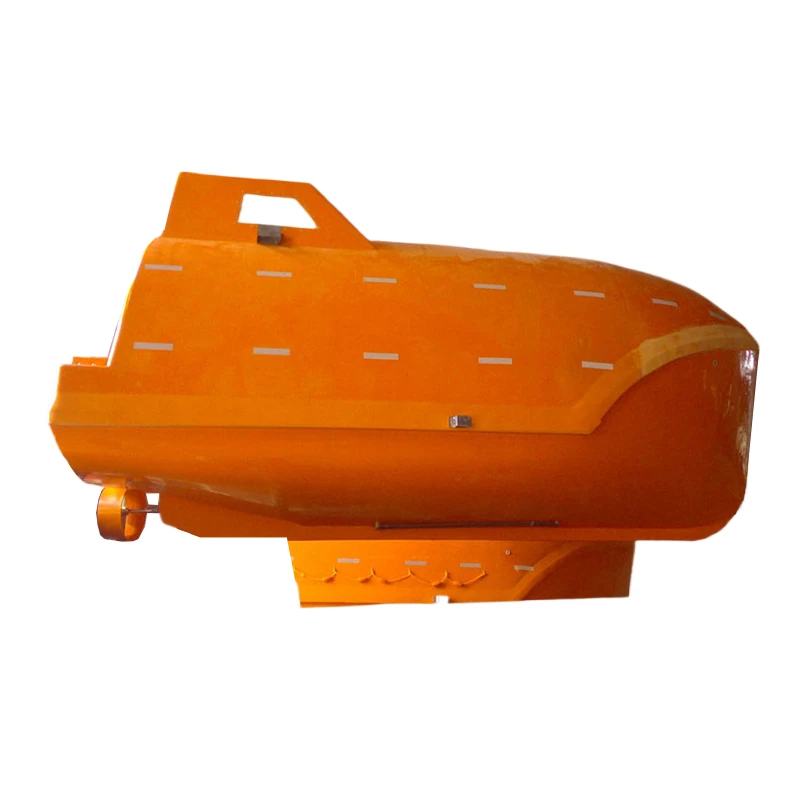
As a lifeboat supplier, we offer a range of lifeboats that are equipped with high - quality food provisions. Our FRP Rescue Lifeboat is made of high - strength fiberglass reinforced plastic (FRP), which provides excellent durability and resistance to the harsh marine environment. This lifeboat is designed to carry a specific number of passengers, and we ensure that it is stocked with the appropriate amount of food provisions according to international standards.
Our Open Type Lifeboat is another popular option. It is suitable for use in various maritime conditions and is equipped with a comprehensive set of survival equipment, including food provisions. The open - type design allows for easy access to the food storage compartments, ensuring that the provisions can be quickly retrieved in an emergency.
The Saving Rescue Boat is designed for rapid response and rescue operations. Despite its focus on speed and agility, we do not compromise on the safety and comfort of the occupants. It is also equipped with the necessary food provisions to sustain the crew and any rescued individuals during the journey.
6. Importance of Regular Inspection and Replacement of Food Provisions
Regular inspection and replacement of food provisions in lifeboats are crucial to ensure their effectiveness. Food has a limited shelf - life, and over time, its nutritional value may decline, and it may become unsafe to eat. Therefore, lifeboat owners and operators should conduct regular inspections to check the condition of the food provisions.
Inspections should include checking the expiration dates of the food items, the integrity of the storage containers, and the overall condition of the food. Any expired or damaged food should be immediately replaced with fresh provisions. This ensures that the lifeboat is always ready for use in case of an emergency.
7. Conclusion and Call to Action
In conclusion, food provisions in lifeboats are a vital part of maritime safety. They play a crucial role in sustaining the lives of passengers and crew during an emergency at sea. As a lifeboat supplier, we are committed to providing high - quality lifeboats that are equipped with the best food provisions to meet international standards.
If you are in the market for a reliable lifeboat with proper food provisions, we would be more than happy to discuss your requirements. Our team of experts can provide you with detailed information about our lifeboat models and the food provisions they come with. Whether you are a shipping company, a yacht owner, or involved in any maritime activity, we can help you find the right lifeboat solution for your needs. Contact us today to start the procurement and negotiation process.
References
- International Maritime Organization (IMO). "International Convention for the Safety of Life at Sea (SOLAS)".
- Maritime Safety Committee (MSC). "Guidelines for Life - Saving Appliances".


