

Hey there, boating enthusiasts! I'm stoked to share my knowledge as a delta anchor supplier on how to install a delta anchor. Whether you're a seasoned sailor or just starting out, getting the installation right is crucial for a safe and secure boating experience.
First things first, let's talk about why the delta anchor is such a popular choice. Delta anchors are known for their excellent holding power and reliability. They're designed to dig into the seabed quickly and stay put, even in challenging conditions. Whether it's sand, mud, or gravel, a delta anchor can handle it like a champ.
Pre - installation Checks
Before you start the installation process, you need to do a few checks. First, make sure you've got the right size of delta anchor for your boat. A general rule of thumb is to choose an anchor that's appropriate for your boat's length and weight. You don't want to go too small and risk your boat drifting away, but you also don't want to go overboard and have an anchor that's too heavy to handle.
Inspect the anchor thoroughly. Look for any signs of damage, like cracks, bent flukes, or rust. If you spot any issues, it's best to replace the anchor or get it repaired. You can check out our Flipper Delta Anchor or Delta Boat Anchor options, which are made with high - quality materials to ensure durability.
Next, examine the anchor rode. The rode is the line or chain that connects the anchor to your boat. It should be in good condition, without any frayed or weak spots. The length of the rode is also important. A good ratio is to have a rode that's at least 7 to 10 times the depth of the water you'll be anchoring in.
Tools You'll Need
To install a delta anchor, you'll need a few basic tools. A good pair of gloves is a must to protect your hands from sharp edges and rough surfaces. You'll also need a wrench to tighten any bolts or nuts. If you're using a chain rode, a chain hook or shackle is essential for connecting the chain to the anchor. And don't forget a buoy. A buoy can help you locate your anchor easily when it's time to retrieve it.
Installation Steps
- Prepare the Anchor: If your delta anchor has any loose parts, like a detachable fluke or a swivel, make sure they're properly attached. Tighten all the bolts and nuts using your wrench. This will ensure that the anchor is in one piece and ready to do its job.
- Attach the Rode: There are two main types of rodes: chain and rope. If you're using a chain rode, connect it to the anchor using a shackle. Make sure the shackle is tightened properly so that it doesn't come loose. If you're using a rope rode, you can use a special anchor line attachment or tie a strong knot. There are different types of knots you can use, like the bowline or the cleat hitch. Just make sure the knot is secure.
- Position the Anchor on the Boat: Decide where you want to store the anchor on your boat. It should be in a place that's easily accessible but also won't get in the way of other equipment. You can use an anchor locker or a bracket to hold the anchor in place. Make sure the anchor is secured so that it doesn't move around while the boat is in motion.
- Deploy the Anchor: When you're ready to anchor, find a suitable spot. Look for an area with a firm seabed and enough space for your boat to swing. Lower the anchor slowly over the side of the boat. As the anchor hits the bottom, let out some rode. Then, slowly back your boat up to set the anchor. You'll feel a tug on the boat when the anchor starts to dig in. Keep backing up until you're sure the anchor is firmly set.
- Check the Holding Power: After setting the anchor, give it a little tug to see if it's holding. You can also use a GPS or a fixed point on the shore to monitor if your boat is drifting. If the anchor seems to be slipping, you may need to reset it or try a different spot.
Tips for a Successful Installation
- Practice Makes Perfect: If you're new to anchoring, it's a good idea to practice in a calm and shallow area. This will help you get the hang of the installation process and gain confidence.
- Consider the Weather: Before you anchor, check the weather forecast. Strong winds or currents can make it more difficult to set the anchor. If bad weather is on the way, it's best to find a more sheltered spot or wait until the weather improves.
- Maintain Your Anchor: Regularly clean and inspect your delta anchor. This will help prevent rust and damage, and extend its lifespan. You can use a wire brush to remove any dirt or debris, and apply a rust - resistant coating if necessary.
Retrieving the Anchor
When it's time to leave, retrieving the anchor is just as important as installing it. First, slowly motor your boat towards the anchor. Once you're directly over the anchor, pull in the rode. You may need to use a windlass or a winch to make the job easier. As you pull, the anchor should start to come loose from the seabed. If it's stuck, you can try moving the boat in different directions to dislodge it.
Why Choose Our Delta Anchors
As a delta anchor supplier, we take pride in offering high - quality products. Our Stainless Delta Anchor is made from top - grade stainless steel, which is resistant to rust and corrosion. It's designed to provide maximum holding power in various seabed conditions. And our customer service team is always ready to help you with any questions you may have about installation, maintenance, or choosing the right anchor for your boat.
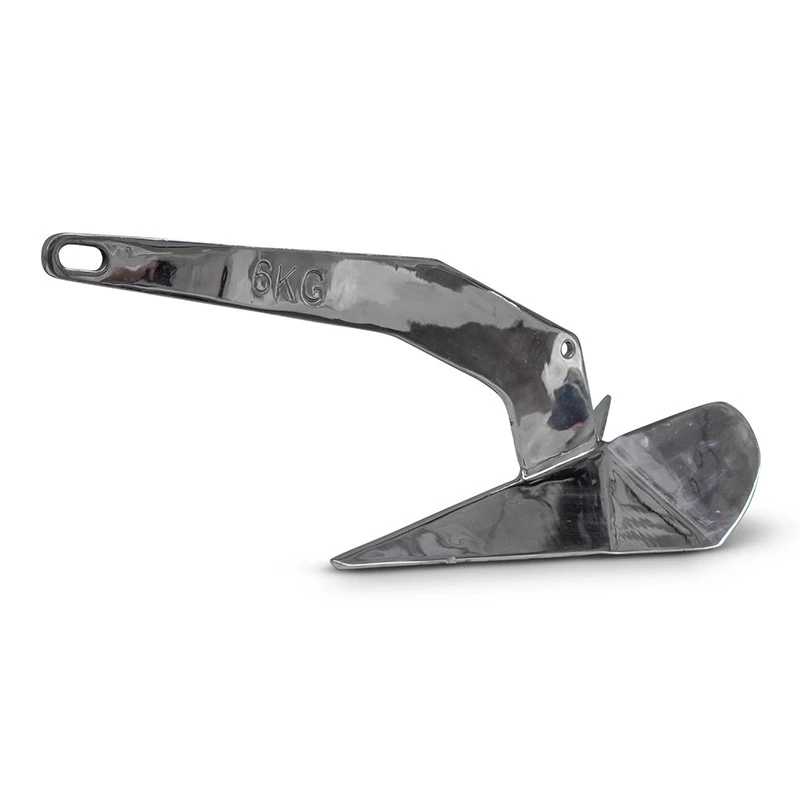

If you're interested in purchasing a delta anchor or have any questions about the installation process, don't hesitate to reach out. We're here to help you make the most of your boating adventures. Whether you're a weekend warrior or a full - time sailor, a reliable delta anchor is a must - have for a safe and enjoyable time on the water.
References
- “Marine Anchoring Handbook” by an unknown author. It provides in - depth knowledge about different types of anchors and their installation.
- Various boating forums and online communities where experienced sailors share their tips and experiences on anchoring.


