

Hey there! I'm a supplier of tail shafts, and today I wanna chat with you about how to control the speed of the tail shaft.
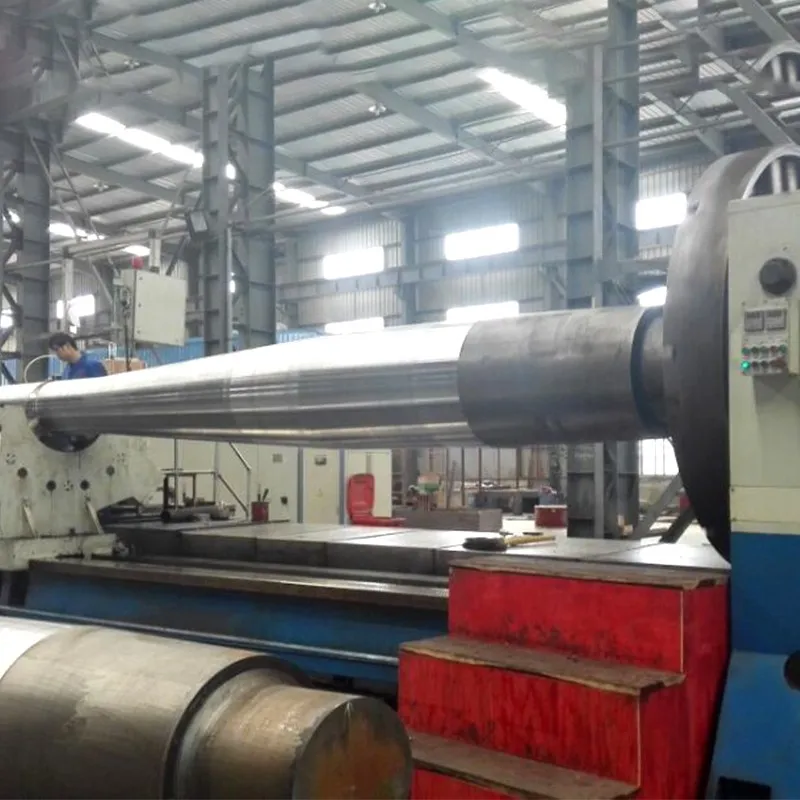
First off, let's understand what a tail shaft is. A tail shaft, also known as a propeller shaft in the marine world, plays a crucial role in transferring power from the engine to the propeller of a ship. If you're interested in different types of tail shafts, you can check out Marine Tail Shaft, Stainless Steel Tail Shaft, and Ship Propeller Shaft.
Now, why is controlling the speed of the tail shaft so important? Well, it directly affects the performance of the vessel. Whether it's a small fishing boat or a large cargo ship, the right speed control can improve fuel efficiency, reduce wear and tear on the equipment, and enhance overall safety.

1. Engine Power Management
One of the most fundamental ways to control the tail shaft speed is through engine power management. The engine is the heart of the power transmission system. By adjusting the engine's throttle, you can change the amount of power it generates.
For example, if you're using a diesel engine, increasing the fuel injection rate will make the engine run faster, which in turn increases the speed of the tail shaft. On the other hand, reducing the fuel supply will slow it down. Modern engines often come with advanced control systems that allow for precise adjustment of the power output. These systems can take into account various factors such as the load on the ship, sea conditions, and the desired speed.
However, it's important to note that simply increasing the engine power isn't always the best solution. Overloading the engine can lead to overheating, increased fuel consumption, and even mechanical failures. So, you need to find the right balance between power and speed.
2. Gearbox Adjustment
Another effective method is to use a gearbox. A gearbox is like a translator between the engine and the tail shaft. It can change the ratio of the rotational speed between the input (engine) and the output (tail shaft).
There are different types of gearboxes, such as fixed - ratio gearboxes and variable - ratio gearboxes. Fixed - ratio gearboxes have a set gear ratio, which means that for a given engine speed, the tail shaft speed is determined by that ratio. For example, a 2:1 gear ratio means that the tail shaft will rotate at half the speed of the engine.
Variable - ratio gearboxes, on the other hand, offer more flexibility. They allow you to change the gear ratio while the ship is in operation. This is especially useful when you need to adjust the speed according to different sailing conditions. For instance, when you're in shallow waters or need to maneuver the ship slowly, you can switch to a lower gear ratio to reduce the tail shaft speed.
3. Propeller Design
The design of the propeller also has a significant impact on the tail shaft speed. The pitch of the propeller, which is the distance the propeller would move forward in one revolution if there were no slip, is a key factor.
A propeller with a high pitch will move the ship forward more quickly for a given tail shaft speed. However, it also requires more power from the engine. If the engine can't provide enough power, the propeller will experience more slip, and the efficiency will decrease.
Conversely, a propeller with a low pitch requires less power but may not be able to achieve high speeds. When selecting a propeller, you need to consider the type of vessel, its intended use, and the power of the engine. You can work with a propeller manufacturer to design a propeller that is optimized for your specific needs.
4. Electronic Control Systems
In modern ships, electronic control systems are widely used to control the tail shaft speed. These systems use sensors to monitor various parameters such as engine speed, propeller speed, and load on the ship.
Based on the data collected by the sensors, the control system can automatically adjust the engine power, gearbox ratio, or other relevant parameters to maintain the desired tail shaft speed. For example, if the ship encounters strong headwinds and the speed starts to drop, the control system can increase the engine power to keep the tail shaft speed constant.
These electronic control systems are becoming more and more sophisticated. They can also integrate with other ship systems, such as the navigation system, to provide a more comprehensive control solution.
5. Monitoring and Maintenance
Controlling the tail shaft speed isn't just about making adjustments; it's also about regular monitoring and maintenance. You need to keep an eye on the performance of the engine, gearbox, and propeller.
Regularly check the lubrication of the tail shaft and other related components. Proper lubrication can reduce friction and wear, which is essential for maintaining a stable speed. Inspect the propeller for any damage, such as bent blades or corrosion. Damaged propellers can cause uneven loading on the tail shaft and affect its speed and performance.
In addition, monitor the vibration levels of the tail shaft. Excessive vibration can be a sign of problems such as misalignment or imbalance. If you notice any abnormal vibrations, you should investigate and fix the issue as soon as possible.
Conclusion
Controlling the speed of the tail shaft is a complex but essential task for ship operators. By using a combination of engine power management, gearbox adjustment, propeller design, electronic control systems, and proper monitoring and maintenance, you can ensure that the tail shaft operates at the optimal speed.
If you're in the market for high - quality tail shafts or need more advice on tail shaft speed control, don't hesitate to reach out. We're here to help you find the best solutions for your marine needs.
References
- "Marine Propulsion Systems" - A comprehensive guide on the principles and operation of marine propulsion systems.
- "Ship Design and Construction" - This book provides in - depth knowledge about the design and construction of ships, including the power transmission system.
- Industry reports on marine engineering and technology, which offer the latest trends and research findings in the field of tail shaft speed control.


