

Hey there! I'm a supplier of pipe floaters, and today I'm gonna share with you how to install a pipe floater on a pipeline near a shoreline. It might seem a bit tricky at first, but with the right steps and a bit of know - how, you'll get it done in no time.
Why Use Pipe Floaters?
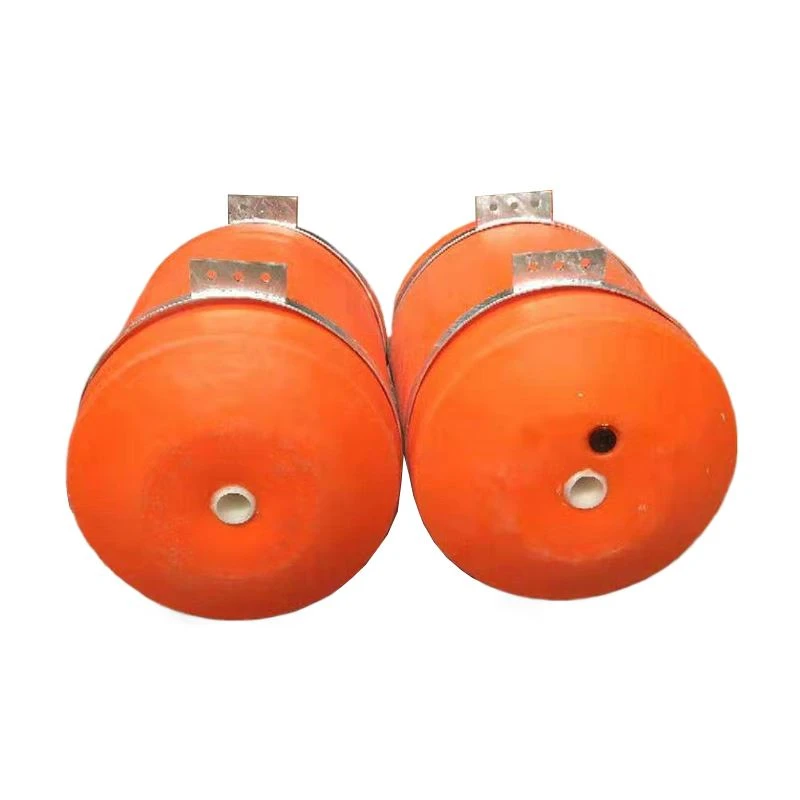
Before we jump into the installation process, let's quickly talk about why you'd want to use pipe floaters in the first place. Pipe floaters are super useful for pipelines near shorelines. They help keep the pipeline afloat, reducing the stress on the pipeline structure. This is especially important in areas with changing water levels, strong tides, or wave action. And guess what? We offer different types of pipe floaters, like the Plastic Dredging Pipe Floater and the Pipeline Foam Filled Floater. These floaters are made with high - quality materials, ensuring durability and long - term performance.
Pre - installation Preparations
The first thing you need to do is a thorough site assessment. Check the shoreline area where the pipeline is located. Look at the water depth, the type of seabed (is it sandy, rocky, or muddy?), and the wave and current conditions. You can use local tide charts to understand the water level changes throughout the day. This information is crucial as it'll help you determine the right type and size of pipe floaters for your pipeline.
Next, gather all the necessary tools and equipment. You'll need things like wrenches, bolts, and safety gear such as life jackets and hard hats. Make sure you have enough floaters for the entire length of the pipeline that needs support. Also, it's a good idea to have a team of trained personnel on - site. Safety should always be your top priority during the installation process.

Installation Steps
Step 1: Clean the Pipeline
Before attaching the floaters, you need to clean the surface of the pipeline. Remove any dirt, rust, or debris. A clean surface ensures a better fit and a stronger connection between the floater and the pipeline. You can use a wire brush or a pressure washer for this task.
Step 2: Position the Floaters
Carefully position the pipe floaters along the pipeline at the pre - determined intervals. The spacing between the floaters depends on the weight of the pipeline, the water conditions, and the type of floaters you're using. In general, for most pipelines near shorelines, a spacing of about 2 - 3 meters between floaters is a good starting point. But always refer to the manufacturer's guidelines for the specific floaters you've purchased.
Step 3: Attach the Floaters
Once the floaters are in position, it's time to attach them to the pipeline. Most of our pipe floaters come with a clamping system. Use the wrenches to tighten the bolts and secure the floaters firmly to the pipeline. Make sure the floaters are centered and evenly distributed around the pipeline. This will help maintain the balance of the pipeline in the water.
Step 4: Check the Alignment
After attaching all the floaters, double - check the alignment of the pipeline. The pipeline should be straight and level. If you notice any misalignment, adjust the position of the floaters accordingly. A misaligned pipeline can cause uneven stress and may lead to damage over time.
Step 5: Secure the Ends
Don't forget to secure the ends of the pipeline. You can use additional floaters or Foam Filled Mooring Buoys to keep the ends stable. This is important to prevent the pipeline from shifting or moving during high - tide or stormy conditions.
Post - installation Checks
Once the installation is complete, conduct a final inspection. Check all the connections to make sure they're tight and secure. Look for any signs of damage to the floaters or the pipeline. You can also test the buoyancy of the pipeline by observing its position in the water. If the pipeline is sitting at the correct level, then you've done a great job!
Maintenance Tips
To ensure the longevity of your pipe floaters and the pipeline, regular maintenance is essential. Inspect the floaters and the pipeline at least once a month. Check for any signs of wear and tear, such as cracks or loose bolts. Replace any damaged parts immediately. Also, clean the floaters periodically to prevent the growth of algae or other marine organisms.
Contact Us for Your Pipe Floater Needs
If you're in the market for high - quality pipe floaters, we're here to help. Our team of experts can assist you in choosing the right floaters for your specific pipeline and shoreline conditions. Whether you need Plastic Dredging Pipe Floaters, Pipeline Foam Filled Floaters, or Foam Filled Mooring Buoys, we've got you covered. Contact us today to start a discussion about your project and get a quote.
References
- Pipeline Installation Handbook, Industry Standard Publications
- Marine Engineering Guidelines for Coastal Pipelines, Coastal Engineering Institute


