

Can marine louvers prevent water ingress?
As a supplier of marine louvers, I've often been asked whether our products can effectively prevent water ingress. This is a crucial question, especially considering the harsh marine environment where vessels are constantly exposed to waves, spray, and heavy rain. In this blog, I'll delve into the science behind marine louvers and their ability to keep water out.

How Marine Louvers Work
Marine louvers are designed to allow ventilation while protecting the interior of a ship from water and debris. They consist of a series of angled blades or fins that are arranged in a specific pattern. The design of these blades is what makes marine louvers effective at preventing water ingress.
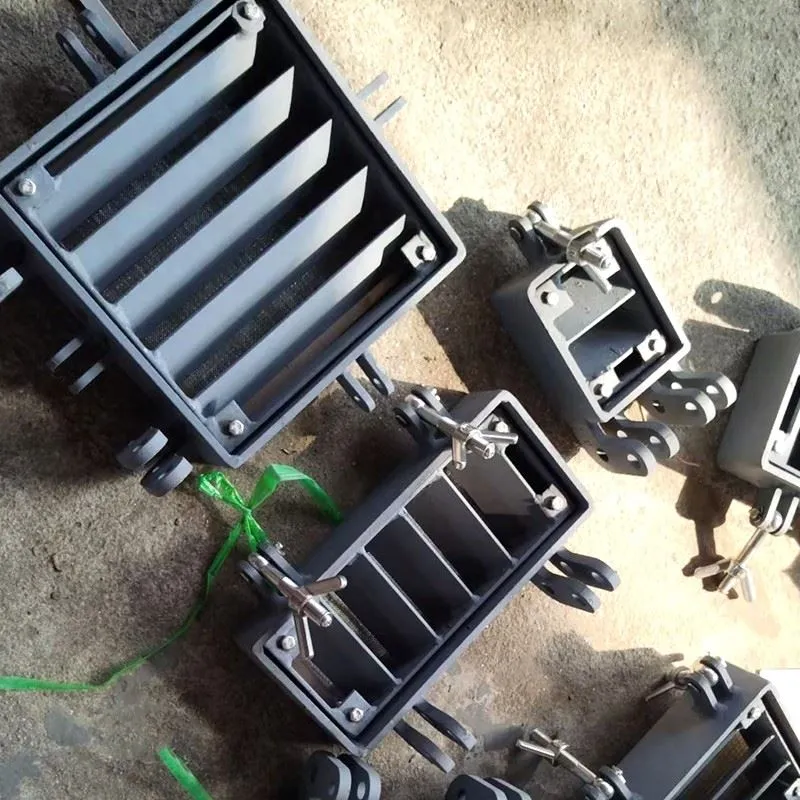
When air passes through the louver, the angled blades cause the air to change direction. This change in direction helps to separate the water droplets from the air. The water droplets, being heavier than the air, tend to fall out of the airflow and are directed away from the opening. The blades also act as a barrier, preventing large waves or splashes from directly entering the ship.
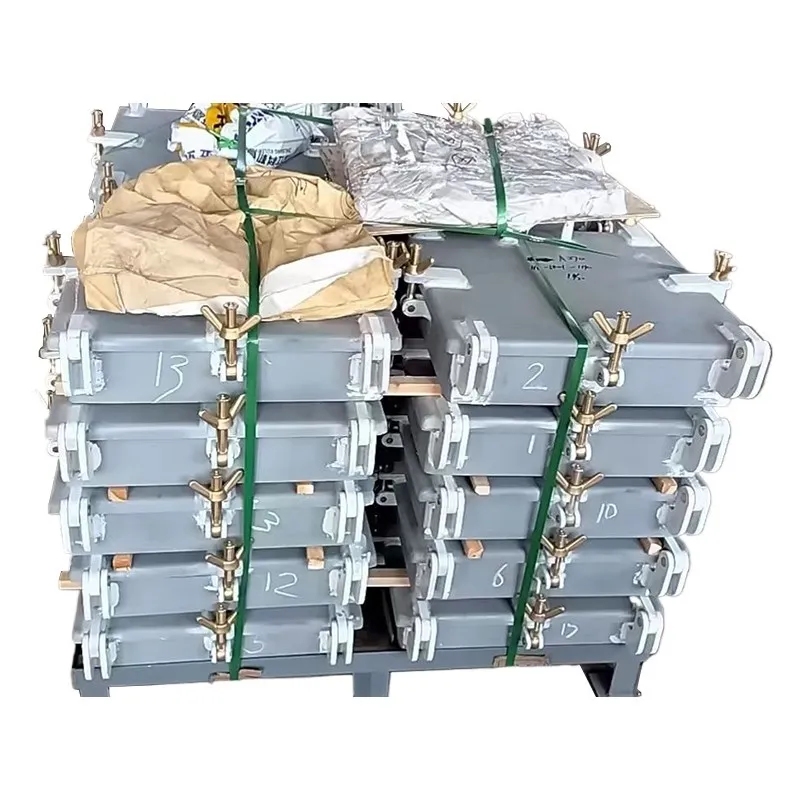
Types of Marine Louvers
There are several types of marine louvers available, each with its own unique design and features. Some of the most common types include:
- Watertight Shutter: These louvers are designed to provide a high level of watertightness. They typically have a solid shutter that can be closed to prevent water from entering during rough weather or when the vessel is not in use.
- Gooseneck Ventilator: Gooseneck ventilators are named for their distinctive curved shape. This design helps to prevent water from entering the ventilation system while allowing air to flow freely.
- Watertight Louver: Similar to watertight shutters, watertight louvers are designed to keep water out. They are often used in areas where a high level of protection is required, such as engine rooms or storage compartments.
Factors Affecting Water Ingress Prevention
While marine louvers are designed to prevent water ingress, several factors can affect their effectiveness. These include:
- Design and Construction: The design and construction of the louver play a crucial role in its ability to prevent water ingress. Louvers with well-designed blades and a tight seal are more likely to keep water out.
- Installation: Proper installation is essential for ensuring the effectiveness of marine louvers. If the louver is not installed correctly, water may be able to enter through gaps or leaks.
- Maintenance: Regular maintenance is necessary to keep marine louvers in good working condition. Over time, the blades may become damaged or clogged with debris, which can reduce their ability to prevent water ingress.
- Environmental Conditions: The severity of the marine environment can also affect the performance of marine louvers. In rough seas or heavy rain, even the best-designed louvers may struggle to keep water out completely.
Testing and Certification
To ensure the quality and performance of marine louvers, they are often subjected to rigorous testing and certification procedures. These tests typically involve exposing the louver to simulated marine conditions, such as high winds, waves, and rain, to determine its ability to prevent water ingress.
Certification bodies, such as the American Bureau of Shipping (ABS) and Lloyd's Register, set standards for marine equipment, including louvers. Louvers that meet these standards are typically labeled with a certification mark, indicating that they have been tested and approved for use in marine applications.
Real-World Applications
Marine louvers are used in a wide range of applications on ships and offshore structures. Some of the most common applications include:
- Ventilation Systems: Marine louvers are used in ventilation systems to allow fresh air to enter the ship while preventing water and debris from entering.
- Engine Rooms: Engine rooms require a constant supply of fresh air to cool the engines and prevent the buildup of harmful gases. Marine louvers are used to provide ventilation while protecting the engine room from water ingress.
- Accommodation Areas: Louvers are also used in accommodation areas to provide ventilation and maintain a comfortable living environment for the crew.
- Storage Compartments: Storage compartments on ships need to be protected from water and moisture to prevent damage to the stored items. Marine louvers are used to provide ventilation while keeping water out.
Conclusion
In conclusion, marine louvers can be an effective solution for preventing water ingress on ships and offshore structures. Their design and construction allow them to separate water droplets from the air and act as a barrier against large waves and splashes. However, the effectiveness of marine louvers depends on several factors, including design, installation, maintenance, and environmental conditions.
If you're in the market for marine louvers, it's important to choose a reputable supplier that offers high-quality products that meet industry standards. Our company has years of experience in the marine industry and offers a wide range of marine louvers, including Watertight Shutter, Gooseneck Ventilator, and Watertight Louver.
If you have any questions or would like to discuss your specific requirements, please don't hesitate to contact us. We'd be happy to help you find the right marine louvers for your needs.
References
- American Bureau of Shipping (ABS). (Year). Rules for Building and Classing Steel Vessels.
- Lloyd's Register. (Year). Rules and Regulations for the Classification of Ships.
- Marine Engineering Handbook. (Year). Various authors.


