

Sure, you can use a kayak in the ocean, but there are some important things to consider before you take the plunge. As a kayak supplier, I've seen firsthand the thrill and adventure that ocean kayaking can offer. But it's not something to be taken lightly. In this blog post, I'll share some insights on using a kayak in the ocean, including safety tips, suitable kayak types, and more.
Is It Safe to Use a Kayak in the Ocean?
Safety is always the top concern when it comes to ocean kayaking. The ocean is a dynamic and unpredictable environment, with factors like waves, currents, and weather that can change rapidly. However, with the right preparation and equipment, ocean kayaking can be a safe and enjoyable activity.
First and foremost, you need to have the necessary skills and experience. If you're new to kayaking, it's a good idea to take some lessons from a qualified instructor. They can teach you the basics of paddling, maneuvering, and handling different conditions. You should also practice in calm, protected waters before venturing out into the ocean.
Another important aspect of safety is having the right equipment. A good-quality kayak is essential, and you'll want to choose one that's designed for ocean use. Look for kayaks with a stable hull, good tracking, and enough storage space for your gear. You'll also need a life jacket, a paddle, a spray skirt, and a signaling device like a whistle or a flare.
Weather conditions are also a crucial factor to consider. Check the weather forecast before you go out, and avoid kayaking in strong winds, heavy rain, or rough seas. It's also a good idea to let someone know where you're going and when you expect to be back.
Suitable Kayak Types for Ocean Use
Not all kayaks are created equal, and some are better suited for ocean use than others. Here are some of the most popular types of kayaks for ocean kayaking:
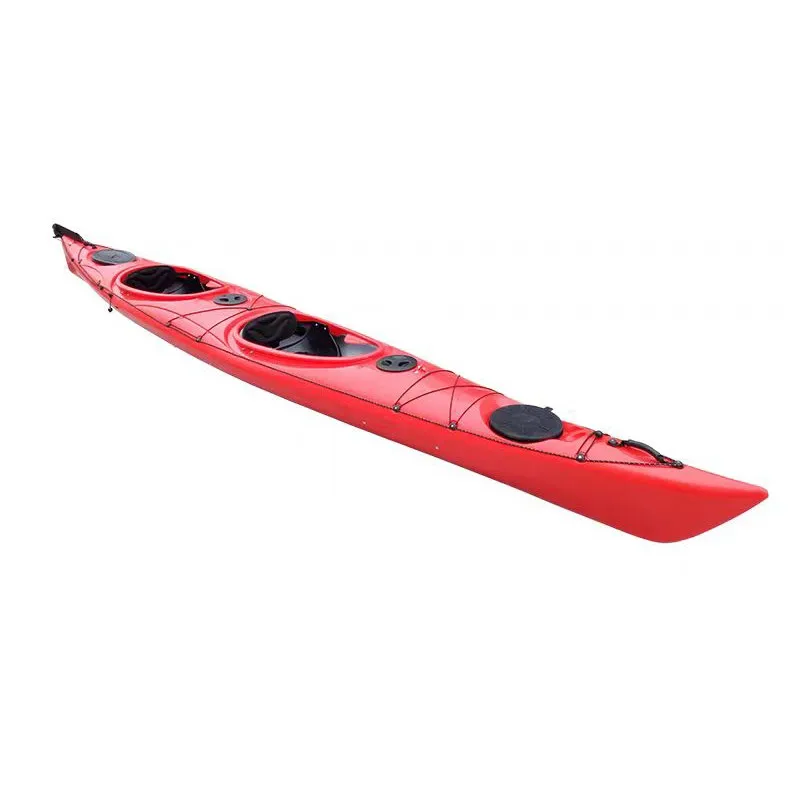
- Touring Kayaks: These kayaks are designed for long-distance paddling and are ideal for ocean touring. They typically have a sleek, streamlined hull for good speed and tracking, and they offer plenty of storage space for gear. Double Sit in Ocean Kayak is a great option if you're planning to go on a multi-day ocean adventure with a partner.
- Sea Kayaks: Sea kayaks are similar to touring kayaks but are often more specialized for ocean conditions. They usually have a more stable hull and are better equipped to handle waves and currents. Sea kayaks also tend to have a higher deck, which provides more protection from the elements.
- Recreational Kayaks: While recreational kayaks are not specifically designed for ocean use, they can still be used in calm, protected ocean waters. They are generally more stable and easier to maneuver than touring or sea kayaks, making them a good choice for beginners. However, they may not have the same level of performance or durability as more specialized ocean kayaks.
Additional Equipment for Ocean Kayaking
In addition to the basic kayak equipment, there are some other items that can enhance your safety and comfort when kayaking in the ocean. Here are a few examples:

- Navigation Tools: A compass and a map are essential for navigating in the ocean. You may also want to consider using a GPS device to help you stay on course.
- Safety Gear: In addition to a life jacket, you should also carry a first aid kit, a waterproof flashlight, and a repair kit for your kayak. A Steel Intermediate Shaft can be a useful addition to your repair kit in case of any mechanical issues with your kayak.
- Comfort Items: Depending on the length of your trip, you may want to bring some comfort items like a seat cushion, a dry bag for your personal belongings, and a hydration system.
Maintenance and Care for Your Ocean Kayak
Proper maintenance and care are essential to keep your ocean kayak in good condition and ensure its longevity. Here are some tips to help you take care of your kayak:
- Rinse After Use: After each use, rinse your kayak thoroughly with fresh water to remove any salt, sand, or debris. This will help prevent corrosion and damage to the hull.
- Store Properly: When not in use, store your kayak in a cool, dry place. Avoid leaving it in direct sunlight or extreme temperatures, as this can cause the plastic to warp or crack.
- Inspect Regularly: Regularly inspect your kayak for any signs of damage or wear. Check the hull for cracks, the seams for leaks, and the hardware for loose or damaged parts. If you notice any issues, repair them as soon as possible.
Connect with Us for Your Ocean Kayaking Needs
If you're interested in purchasing a kayak for ocean use or need more information about ocean kayaking, we're here to help. As a leading kayak supplier, we offer a wide range of high-quality kayaks and accessories to suit your needs and budget. Whether you're a beginner or an experienced ocean kayaker, we can help you find the perfect equipment for your next adventure.
Don't hesitate to reach out to us if you have any questions or need advice. We're always happy to share our knowledge and expertise with fellow kayakers. Let's get you out on the water and experiencing the thrill of ocean kayaking!
References
- "The Complete Guide to Kayaking" by John Doe
- "Ocean Kayaking Safety" by National Oceanic and Atmospheric Administration (NOAA)
- "Kayak Maintenance Tips" by Outdoor Gear Lab


