

As a supplier of sit - in kayaks, I often get asked the question: "Can I sit in a kayak in a reservoir?" It's a valid query, and the answer isn't always straightforward. In this blog post, I'll explore the ins and outs of kayaking in reservoirs, considering various factors such as safety, regulations, and the suitability of our sit - in kayaks for this environment.
Understanding Reservoirs
Reservoirs are artificial lakes created by damming a river or stream. They serve multiple purposes, including water supply, flood control, and hydroelectric power generation. The characteristics of reservoirs can vary widely. Some are small and relatively calm, while others are large and subject to strong winds and currents.
Safety Considerations
Safety should always be the top priority when kayaking in any body of water, and reservoirs are no exception. One of the main safety concerns in reservoirs is the water level. Reservoirs are often managed, and water levels can change rapidly. A sudden drop in water level can leave you stranded or cause you to hit submerged objects.
Visibility underwater in reservoirs can also be poor. There may be old trees, rocks, or other debris hidden beneath the surface, which pose a significant hazard to kayakers. Additionally, the depth of reservoirs can vary greatly. In some areas, it may be shallow enough to wade, while in others, it can be hundreds of feet deep.
Weather conditions can change quickly on reservoirs. Strong winds can create large waves, making it difficult to control your kayak. Thunderstorms can also develop rapidly, bringing lightning, high winds, and heavy rain. It's essential to check the weather forecast before heading out and to have a plan in case the weather turns bad.
Regulations
Before you take your sit - in kayak out on a reservoir, it's crucial to check the local regulations. Many reservoirs are owned and managed by government agencies or private companies, and they may have specific rules regarding kayaking.

Some reservoirs may require you to obtain a permit before launching your kayak. Others may have restricted areas where kayaking is not allowed. These restrictions are often in place to protect the water quality, wildlife, or to ensure the safety of other users, such as swimmers or boaters.
In some cases, there may be specific safety equipment requirements. For example, you may be required to wear a life jacket at all times, carry a whistle or other signaling device, and have a proper lighting system if you plan to kayak at night. Failure to comply with these regulations can result in fines or other penalties.
Suitability of Sit - in Kayaks for Reservoirs
Our sit - in kayaks are designed with different features that make them suitable for various environments, including reservoirs.
Stability
One of the key features of our sit - in kayaks is their stability. Our Single Sit in Ocean Kayak is designed to provide a stable platform for solo kayakers. It has a wide hull, which helps to prevent tipping and makes it easier to balance, even in choppy water.
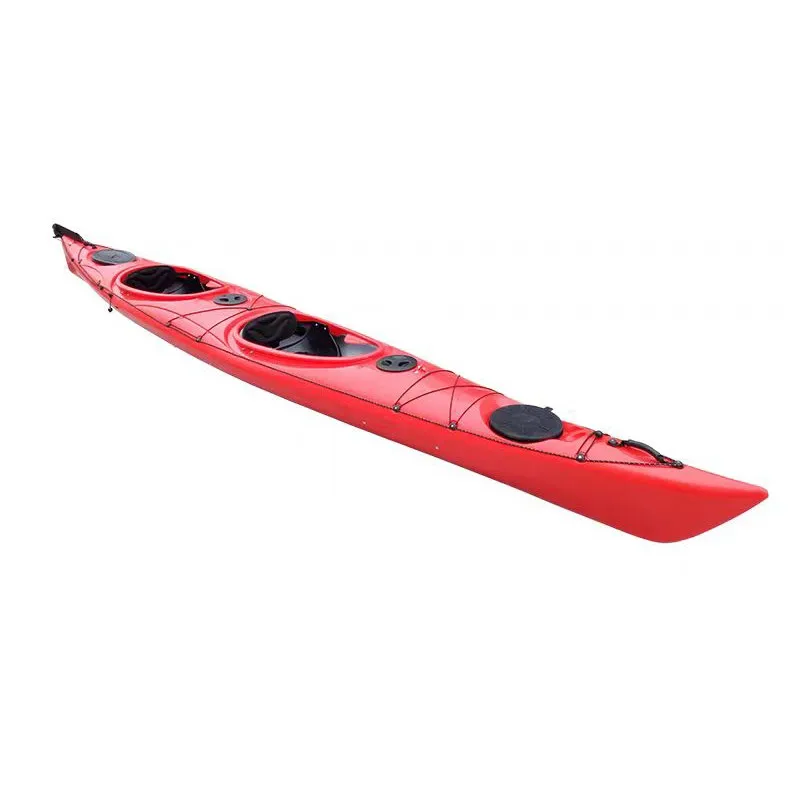
The Double Sit in Ocean Kayak offers even more stability, as it has a larger footprint. This makes it a great option for couples or friends who want to enjoy a kayaking trip together on a reservoir.
Maneuverability
Reservoirs often have narrow channels, inlets, and coves that require a kayak that is easy to maneuver. Our sit - in kayaks are designed with a sleek hull shape and responsive steering systems. The Sit in Day Touring Kayak is particularly well - suited for exploring the nooks and crannies of a reservoir. It has a moderate length and width, which allows for quick turns and easy navigation through tight spaces.
Storage
When kayaking on a reservoir, you may want to bring some essentials with you, such as water, snacks, a first - aid kit, and a map. Our sit - in kayaks are equipped with storage compartments that provide ample space for your gear. The hatches are designed to keep your belongings dry, even if the kayak gets splashed or partially submerged.
Benefits of Kayaking in Reservoirs
Despite the challenges, kayaking in reservoirs can be a rewarding experience.
Scenic Beauty
Reservoirs are often surrounded by beautiful landscapes, including forests, mountains, and meadows. Kayaking allows you to get up close and personal with nature and to enjoy the peace and tranquility of the water. You may see a variety of wildlife, such as birds, fish, and even deer or other mammals along the shore.
Exercise
Kayaking is a great form of exercise. It works your upper body, core, and even your legs as you paddle. Paddling in a reservoir can be a fun and effective way to stay fit and healthy. It's also a low - impact exercise, which is easy on your joints.
Relaxation
There's something incredibly relaxing about gliding across the water in a sit - in kayak. The gentle motion of the paddle and the sound of the water lapping against the hull can help to reduce stress and clear your mind. It's a great way to escape the hustle and bustle of everyday life and to connect with nature.
Conclusion
So, can you sit in a kayak in a reservoir? The answer is yes, but with caution. By understanding the safety considerations, checking the local regulations, and choosing the right sit - in kayak for the conditions, you can have a safe and enjoyable kayaking experience on a reservoir.
Our range of sit - in kayaks, including the Single Sit in Ocean Kayak, Double Sit in Ocean Kayak, and Sit in Day Touring Kayak, are designed to provide you with the stability, maneuverability, and storage you need for a great kayaking adventure.
If you're interested in purchasing a sit - in kayak for your reservoir adventures, we'd love to hear from you. Whether you're a beginner or an experienced kayaker, our team can help you choose the right kayak for your needs. Contact us today to start the conversation and explore our range of high - quality sit - in kayaks.
References
- American Canoe Association. (2023). Safety Guidelines for Kayaking.
- National Weather Service. (2023). Weather Hazards on Inland Waters.
- Local government agencies and reservoir management companies for specific regulations.


